
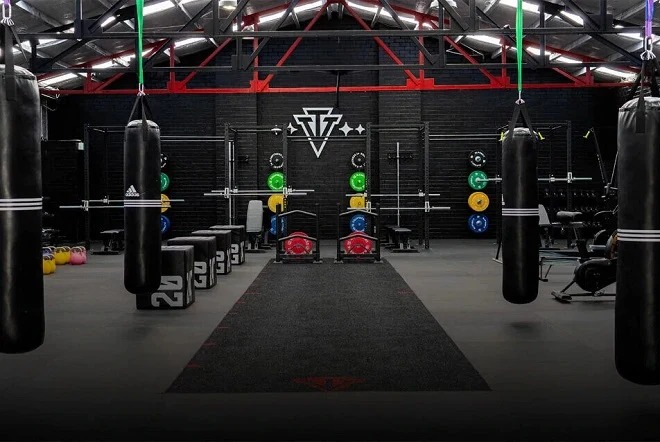
Setting up a gym is more than putting machines and weights into a room. The equipment has to match the people who will use it the space that’s available and the kind of training the gym offers. A good plan can make the gym easier to use, safer to move in and easier to keep clean and maintained.
Start with the people who will use the gym
Before you look at products decide who the gym is for. A strength and conditioning studio may need power racks, barbells and open floor space. A general health club may need a mix of resistance machines and cardio equipment. A school, workplace or sports club will have its group of users, supervision needs and operating hours.
Think about:
– The main types of training the facility will support
– How many people might come at the times
– Whether users are beginners, experienced athletes or a mix
– Whether the equipment needs to work for different heights, abilities and experience levels
– Which pieces of equipment will be used most often
These questions help you decide what to buy. They also help avoid spending money on gear that rarely gets used while the most popular areas become overcrowded.
Choose an equipment mix
Most gyms need to cover several types of training.
Strength training can include weights, benches, racks, cable systems and resistance machines. Free weights allow different exercises while machines can guide movement and be easier to adjust.
Cardio equipment may include treadmills, bikes, rowers or other conditioning machines. The right mix depends on who uses the gym how much space is available and what kind of programs are offered.
Functional training often uses equipment like kettlebells, medicine balls, sleds, ropes and rigs. This area needs plenty of open floor space so people can move freely without blocking others.
Don’t forget storage and accessories. Weight racks, hooks for attachments and storage for items can keep walkways clear and help members return equipment after use.
Plan the layout before ordering
Measure the space and decide where equipment, walkways and entrances will go. Allow room for people to get on and off machines load weights move between exercises and train safely. Check ceiling height door widths, lift access and delivery routes— for big or heavy items.
Think about how members will move through the space. Avoid placing exercises in narrow walkways. Also consider if loud or high-impact workouts should be kept away from zones. A clear layout improves the experience even before you add equipment.
Flooring is important too. Areas where weights are dropped may need surfaces than cardio or stretching zones. Make sure the flooring matches the activity and meets the requirements of the equipment and the building.
Compare durability, adjustment and usability
Commercial gym equipment gets used times a day so specifications matter. Look at how it’s built its stability, adjustment points, weight limit and how easy it is to get replacement parts. If possible try the equipment in person. Ask for a demonstration.
Check if different users can adjust the equipment without trouble. Clear labels, easy-to-use handles and simple instructions can make equipment easier to use for new members.
Don’t judge a product by its price. Consider how much it will be used, how hard it is to maintain, what the warranty covers and how long it is expected to last. A lower price may not be value if the equipment breaks often or is not built for frequent use.
Budget for the project
The price of the equipment is just one part of the total cost. Include delivery, installation, flooring, electrical work, storage, maintenance and any building changes in your budget. Ask suppliers what is included in their quote and whether there might be costs for access, assembly or installation.
If the budget is tight focus on the equipment that supports the programs. You can also plan the layout so new equipment can be added later without disrupting everything.
Plan for maintenance and future growth
Create a maintenance routine before the gym opens. Staff should know how to check equipment for damage report problems and keep machines clean. Follow the manufacturer’s care instructions. Schedule regular servicing when needed.
Think about how the gym might grow. Modular rigs, training zones and adaptable storage can make it easier to expand or change the layout as membership grows or programs shift.
RAW Fitness Equipment supplies strength, cardio and functional training products. It also offers equipment planning and installation for facilities across Australia. Looking at its fitness equipment range can be one step in comparing choices for a new gym or an upgrade, to an existing one.
Comment here